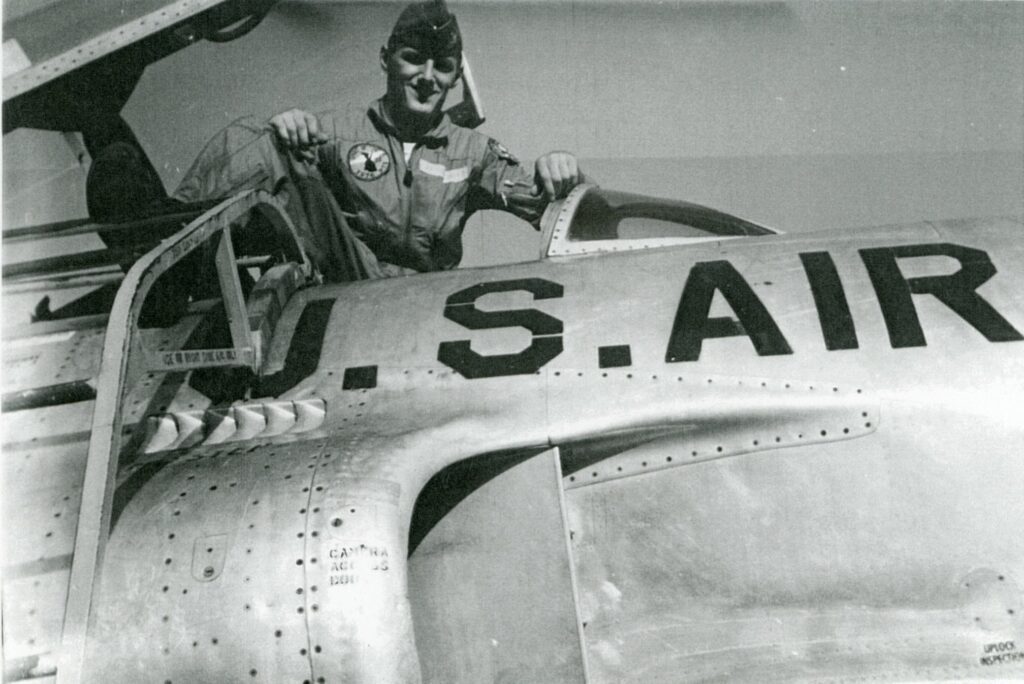
In 1959, Billings native, George W. LeCount joined the US Air Force to fly over Vietnam. Five years later, he was recruited to join the secretive Air America pilot corps. Working as a covert pilot with the CIA-operated company, LeCount flew numerous missions under the guise of a private airline employee. This exhibit explores the role of Air America in Laos and LeCount’s experiences as a pilot at the height of the Vietnam War.
Baá Hawassiio & Ènomóhtåhéseh:
Healthcare on the Crow & Northern Cheyenne Reservations
June 17 – December 30, 2021
Description
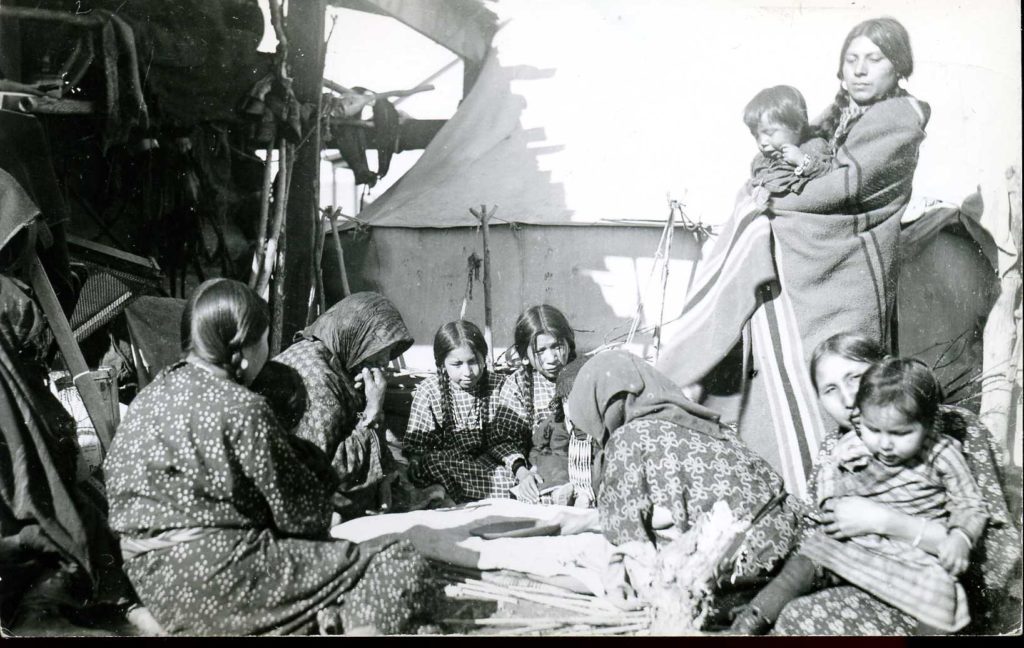
Baá Hawassiio & Ènomóhtåhéseh: Healthcare on the Crow & Northern Cheyenne Reservations explores the history of healthcare and healing on the Crow and Northern Cheyenne reservations. Visitors will learn how native peoples demanded better conditions and blended traditional beliefs with Western medical practices in the face of legal action and apathetic government workers. Exhibit highlights include a discussion of healthcare as assimilation practice, the effects of poor sanitation on reservation health, and the stories of two “healthcare heroes”: Susie Walking Bear Yellowtail, RN, and Cheyenne Tribal Judge, Marie Sanchez.
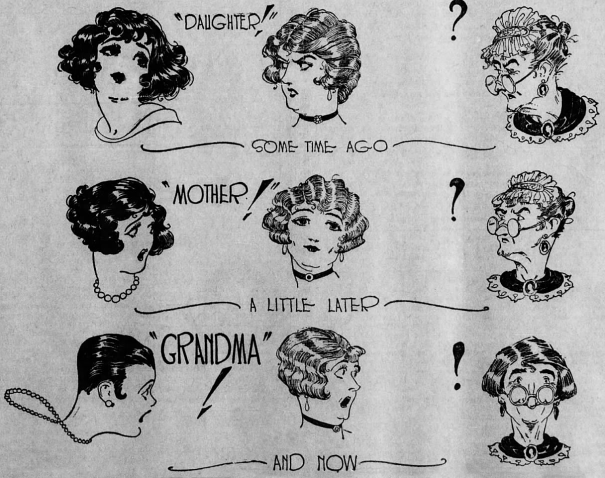
Ten traveling pop-up banners share the story of Ethel Hays, a native of Billings, and one of the most recognizable artists of the 1920s. Called the “greatest of all women newspaper artists” and the “foremost portrayer of the American Girl,” her newspaper cartoons secured the flapper as the primary icon of women’s fashion and established the flapper’s modern attitudes in American culture. Later, as she shifted from newspaper cartoons to children’s book illustrations, her distinctive style and unique skill continued to make her one of the most prolific artists of her day. A Western Heritage Center traveling exhibit.
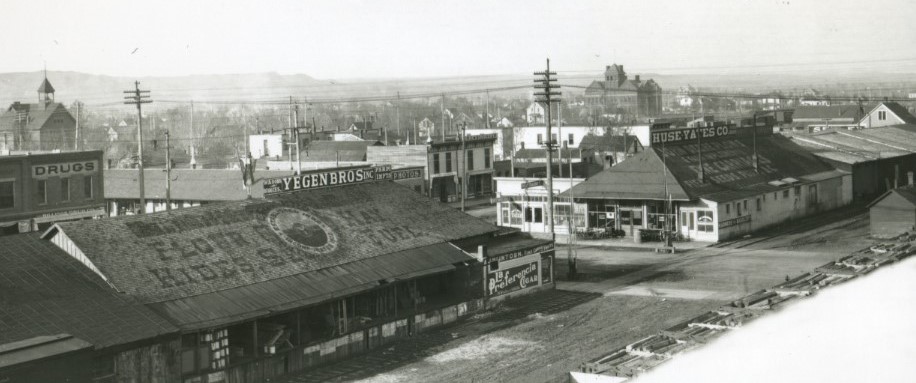
Aerial view of Minnesota Avenue after 1902. See Garfield School in the distance.
Explore the South Siders traveling exhibit as it highlights the lesser recognized side of the city of Billings. When the city was established, the railroad built the tracks in the center of town, creating two distinct sections; civic development was pushed north, and blue collar work and minority groups were pushed south. Explore the rich history, diversity, and stories of south side Billings.
Virtual exhibit provided with support from Healthy by Design.
Special thanks to the Billings Public Library.
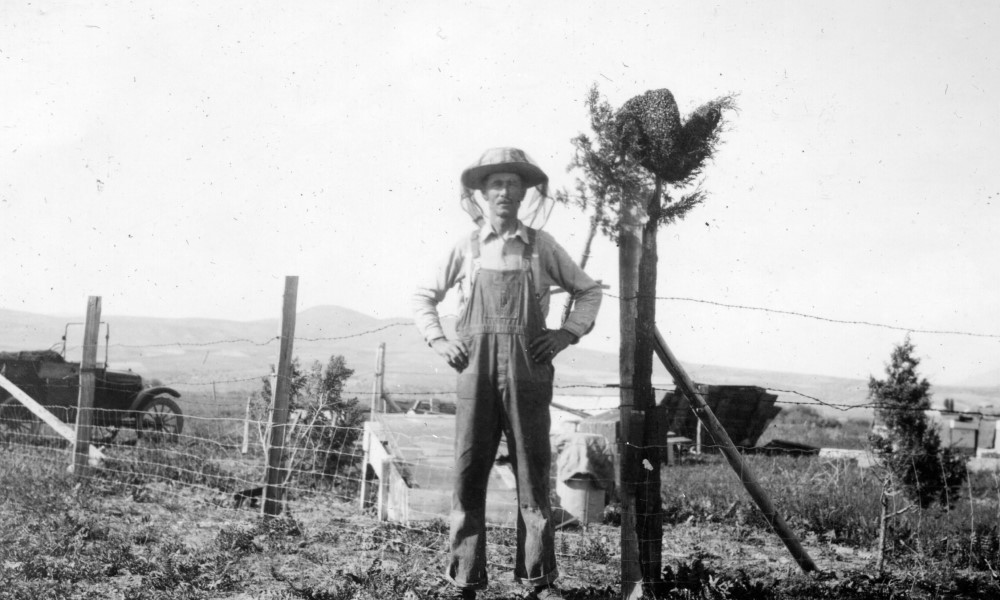
Bees are the world’s greatest pollinators and contribute to 1/3 of the food we consume. Without them, plants could not grow and fruit could not rip-en. They play a vital role in the entire ecosystem as they pollinate flower plants. In return, these plants feed all kinds of animals and insects. Learn the history of bee-keeping in Montana.
Exhibited at the Western Heritage Center during Summer 2020
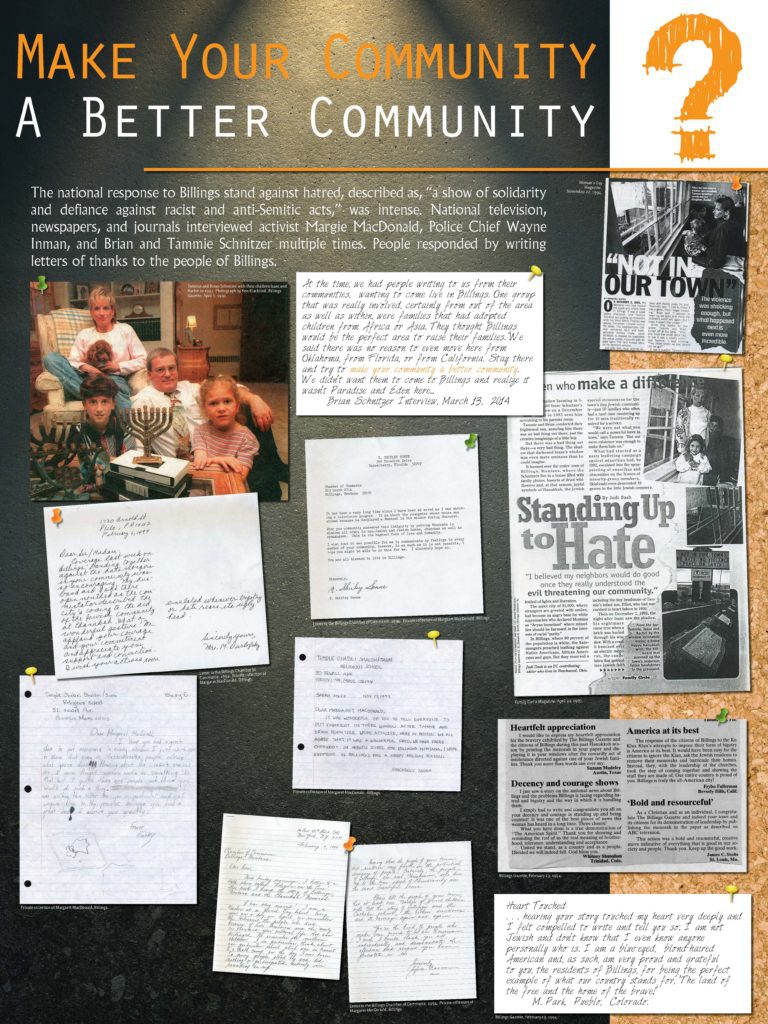
This traveling display of pop-up banners is a partnered exhibit with the Billings West High School students, Montana PBS, Billings Public Library and the Western Heritage Center. The student-led project explores the “Not in Our Town” events of 1992-1994. Students learned research skills, honing interviewing abilities, trained in video production, and crafted exhibit concepts to investigate more contemporary issues of social tolerance and discrimination.
The South Siders traveling exhibit explores the lesser recognized side of the city of Billings. When Billings was established in 1882, the railroad built tracks through the center of town, splitting the city into two distinct sections. Civic development formed primarily north of the tracks, while industry and immigrant groups settled on the southside. Explore the rich history, diversity, and stories of south side Billings. This Western Heritage Center virtual exhibit was created with support from Healthy by Design.
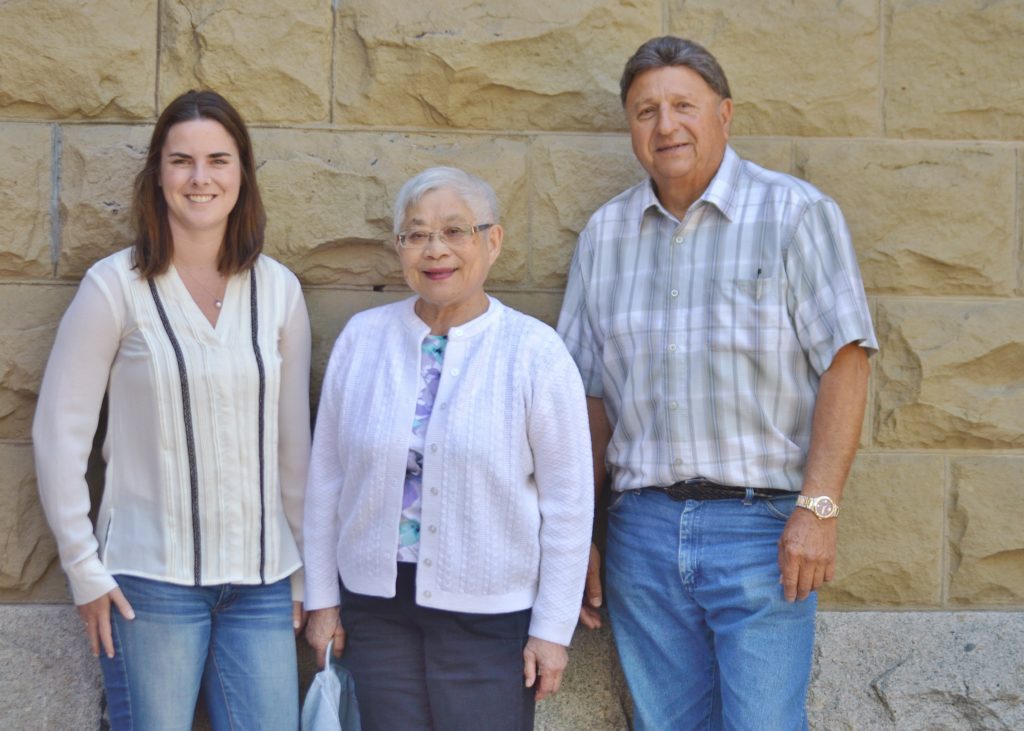
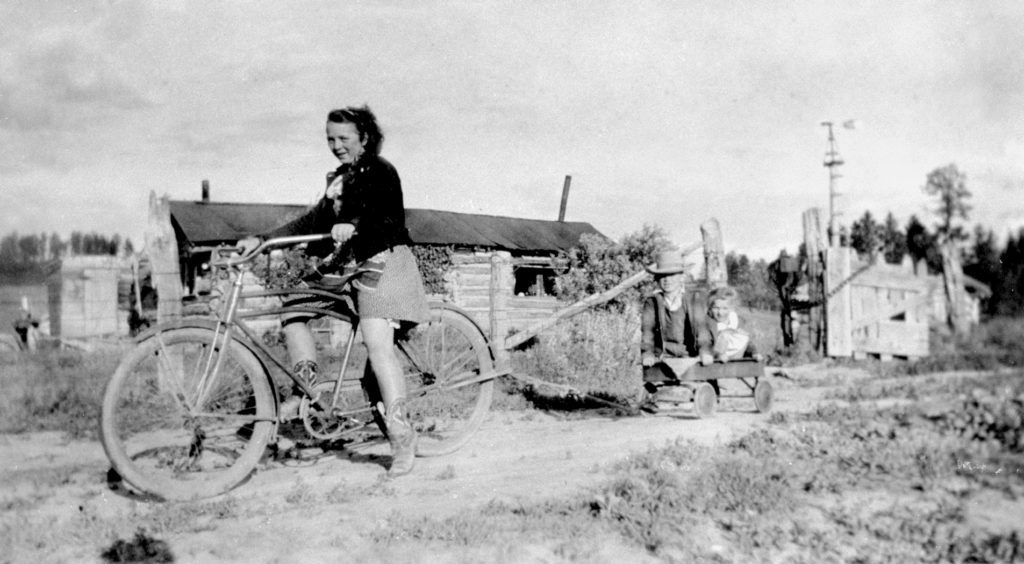
The Real West: Farming and Ranching Families of the Yellowstone River Valley: Excerpts of oral histories and copies of family snapshots from farming and ranching families who settled in the Yellowstone River Valley prior to World War II. The selection of fifty-two quotes and photographs for this traveling exhibit derive from an oral history project of the Western Heritage Center, of Billings, Montana. The people interviewed include Gil Aller of Big Timber (a dude ranch operator), C.R.Bokma of Columbus (a cattle rancher), Joe Medicine Crow of Lodge Grass (a Crow historian), William and Ruth Kebschull of Boyd (dryland farmers), Claribel Bonine of Hysham (a ranch homemaker), Red Killen of Miles City (a sheep rancher), and Santos Carranza of Sidney (a sugar beet farmer). A video, presenting live oral history interviews with three of the participants, is included with the exhibit. The research and production of this Western Heritage Center traveling exhibit was made possible by a grant from the Montana Cultural Trust.
Explore
This exhibit was developed at the height of the COVID-19 quarantine and was launched in May 2020.
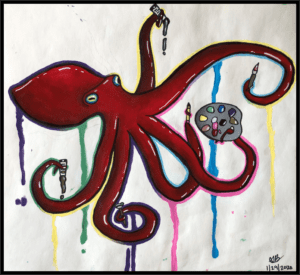
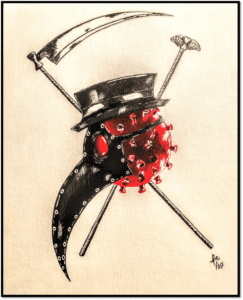
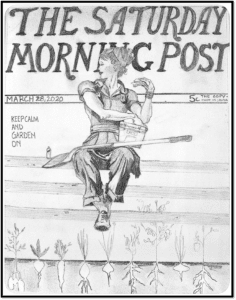
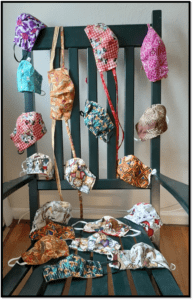
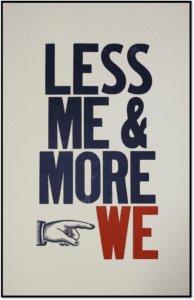
Quarantine life is unsettling. Unable to make plans for the future, uncertainty is normal. Many are turning to artistic expression to cope. As a community-centered institution, the Western Heritage Center works to create a space of interaction and community engagement. This exhibit features a variety of artworks and styles from quarantined Montanans of all ages.
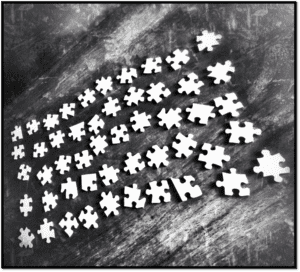
Art in Isolation: Response to COVID-19 illustrates Montanan’s response to the COVID-19 Crisis. During the Self-Isolation directive, community artists ranging in age from 5 months to 91 years directed their time into creative outlets to help process the emotions of this unprecedented time in human history.
The exhibit includes photography, poetry, paintings, sculptures, collages, fabric, and more.